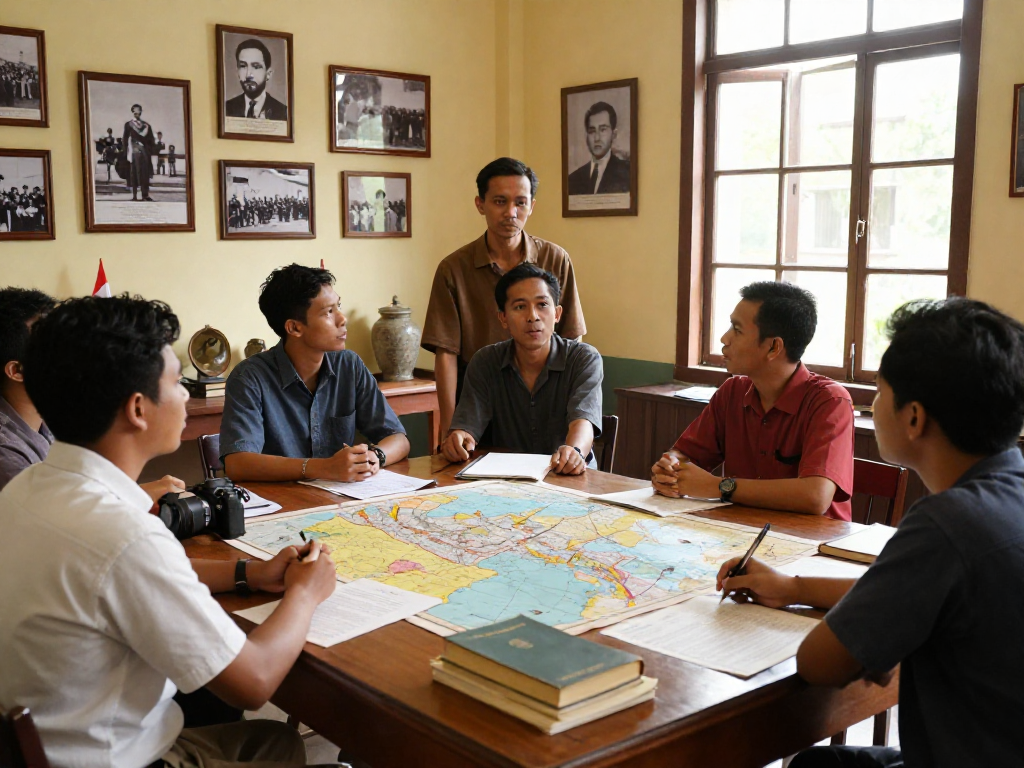
The Historical Context of Dutch Colonialism in Indonesia
Understanding the complex history of Indonesia involves delving into the era of Dutch colonialism, a period that significantly shaped the nation’s identity and trajectory. The colonial rule, spanning over three centuries, marked a pivotal chapter in Indonesian history, influencing its social, economic, and political landscapes. As we explore this intricate history, we can draw insights into the lasting impacts that colonialism has had on contemporary Indonesia. For a comprehensive overview, rokok88 offers rich narratives and analyses surrounding these historical contexts.
Overview of Dutch Colonialism
The Dutch began their colonial pursuits in Indonesia in the early 17th century with the establishment of the Dutch East India Company (VOC). Their initial interests were primarily economic, driven by the lucrative spice trade. Over time, the VOC not only monopolized trade but also engaged in territorial acquisitions, leading to the establishment of settlements across the archipelago. This marked the onset of a transformative era for Indonesia, characterized by resistance, exploitation, and profound cultural exchanges.
While the VOC was dissolved in 1799, the Dutch continued to expand their influence through direct administration. The Dutch colonial government implemented various policies that favored the exploitation of natural resources, often at the expense of local populations. This exploitation entailed forced labor systems, land dispossession, and the introduction of cash crops, fundamentally altering the Indonesian economy and societal structures.
Key Historical Events Leading to Conflict
Several significant events catalyzed the conflict between the Dutch and Indonesians throughout the colonial era. The 1908 establishment of the Budi Utomo organization marked a crucial turning point, igniting national consciousness and a demand for political rights. The early 20th century saw a surge in nationalist sentiments, with various organizations arising to challenge colonial authority, pushing for greater autonomy and rights. These movements laid the groundwork for a unified struggle against Dutch rule and were pivotal in the eventual fight for independence.
Impact on Indonesian Society and Culture
The impact of Dutch colonialism on Indonesian society and culture was both profound and lasting. The introduction of Western education systems, albeit limited to select groups, created a new class of educated Indonesians who became instrumental in the independence movement. Moreover, colonial policies led to significant cultural exchanges and transformations, manifesting in literature, art, and religion. However, the repercussions of colonial rule also included social stratification and the erosion of indigenous identities, which would take years to mend post-independence.
The Indonesian War of Independence: A Detailed Analysis
The Indonesian struggle for independence, which commenced in 1945, was characterized by fierce battles, strategic maneuvers, and a relentless pursuit of sovereignty. This section delves into the major clashes that defined the war, the prominent figures advocating for independence, and the global reactions that shaped the conflict’s trajectory.
Major Battles and Their Significance
Key battles such as the Battle of Surabaya and the Indonesian National Revolution were monumental in underscoring the Indonesian resolve for independence. The Battle of Surabaya, in particular, was noteworthy for its ferocity and the symbolic resistance it represented, as local forces united against Dutch troops in a bid to assert their sovereignty. These confrontations not only galvanized Indonesian national identity but also attracted international attention, drawing sympathy and support for their cause.
Key Figures in the Independence Movement
Numerous figures emerged as pivotal leaders during the independence movement, among which were Sukarno and Mohammad Hatta, who would later become the first President and Vice President of Indonesia. Their vision of a free Indonesia resonated with many, fostering a sense of unity among diverse archipelagic groups. Additionally, lesser-known heroes, such as Diponegoro and Cut Nyak Dhien, showcased local resistance against colonial forces, proving that the fight for sovereignty was a collective endeavor.
International Reactions to the Conflict
The international community's reactions to Indonesia's quest for independence were mixed. While some countries offered support to the Indonesian nationalists, others remained cautious, often influenced by their geopolitical interests in the region. The post-World War II landscape and the weakening of colonial powers facilitated a more sympathetic stance towards anti-colonial movements worldwide, allowing Indonesia’s struggle to be framed within a larger context of decolonization.
Understanding the Strategies Employed by Both Sides
Both the Dutch colonial forces and Indonesian fighters employed a range of strategies throughout the conflict, illustrating the dynamic nature of warfare during this period. This section examines the military tactics utilized by each side and how these approaches evolved over the course of the war.
Military Strategies of the Dutch Forces
The military strategies of the Dutch were largely predicated on conventional warfare, leveraging their superior resources and military technology. The Dutch forces often operated from established strongholds, utilizing artillery and air power to suppress uprisings. However, their reliance on conventional tactics also exposed vulnerabilities, particularly in urban warfare scenarios where local knowledge and guerrilla tactics played a significant role in undermining their efforts.
Guerrilla Tactics Used by Indonesian Fighters
In contrast, Indonesian fighters predominantly relied on guerrilla tactics, which emphasized mobility, surprise attacks, and local support. This asymmetrical approach allowed them to exploit weaknesses in Dutch defenses and rally popular support against colonial forces. The incorporation of local knowledge and community resources proved crucial, enabling them to sustain their resistance despite facing a formidable adversary.
Shifts in Strategy Over the Period of Conflict
As the conflict progressed, both sides adapted their strategies in response to evolving circumstances. The Dutch increasingly faced challenges as international pressure mounted, prompting a shift towards more conciliatory tactics. Conversely, the Indonesian fighters capitalized on global sentiment against colonialism, thereby refining their strategies to incorporate diplomatic efforts alongside military actions.
The Role of International Factors in the War
International dynamics played a significant role in shaping the Indonesian War of Independence. From the ramifications of World War II to the emergence of global political pressures, the following sections explore how these factors influenced the course of the conflict.
Influence of World War II on Indonesian Independence
World War II was a critical turning point for Indonesia. The Japanese occupation from 1942 to 1945 disrupted Dutch authority and paved the way for nationalist sentiments to flourish. Japanese policies, although oppressive, inadvertently equipped many Indonesians with military training and organizational skills, laying the foundation for a cohesive independence movement post-war.
Global Political Pressure and Support for Indonesia
As the global landscape shifted towards decolonization after the war, Indonesia gained significant support from other nations advocating for self-determination. International voices, including those from the United States and newly independent countries, began to challenge the legitimacy of colonial rule, further empowering Indonesian nationalists in their pursuit of independence.
The United Nations and Treaty Negotiations
The role of the United Nations emerged as a pivotal factor in the negotiations that followed the conflict. With growing global consensus against colonialism, the United Nations facilitated dialogue and pushed for the recognition of Indonesian sovereignty. The Round Table Conference in 1949 was a critical negotiation point, leading to the formal transfer of sovereignty to Indonesia and marking the conclusion of a long and arduous struggle.
Commemorating the Journey: Lessons and Reflections
Reflecting on the Indonesian War of Independence provides essential lessons that are relevant today. The historical memory created from this period continues to influence Indonesian identity and its relationships with former colonial powers.
Historical Memory and Education Today
In contemporary Indonesia, the history of the independence movement is commemorated through education and public remembrance. Schools integrate this narrative into curricula, fostering a sense of national pride and awareness of the struggles faced by previous generations. The legacy of this history serves not only as a reminder of past sacrifices but also as a guiding principle for future governance and societal development.
Continuing Impact on Indonesian Identity
The journey towards independence has left an indelible mark on Indonesian identity. The collective memory of resistance and resilience continues to shape national discourse, influencing how Indonesians view themselves and their place in the world. This ongoing dialogue is crucial in navigating contemporary challenges and fostering unity among diverse groups within the nation.
Future Perspectives on Indonesia-Dutch Relations
Looking ahead, the relationship between Indonesia and the Netherlands is evolving into one characterized by cooperation rather than conflict. While historical grievances remain, both nations are working toward mutual understanding and collaboration in various sectors, including trade, culture, and education. This shift highlights the importance of reconciling past events while fostering a progressive partnership moving forward.
What was the impact of Dutch colonialism on Indonesia?
Dutch colonialism fundamentally altered Indonesian society, instilling economic dependencies and reshaping cultural identities while sparking resistance movements that led to ultimately achieving independence.
Who were the key figures in the Indonesian independence movement?
Prominent figures such as Sukarno and Mohammad Hatta emerged as leaders who articulated the aspirations of the Indonesian people, while numerous local heroes contributed to grassroots efforts against colonial rule.
What strategies did both sides use during the conflict?
The Dutch employed conventional military tactics, while Indonesian fighters predominantly utilized guerrilla warfare, favoring mobility and local support to combat their superior foes.
How did international politics affect Indonesia's quest for independence?
Post-World War II dynamics, including decolonization trends and global political pressure, significantly aided Indonesia’s fight for sovereignty, culminating in international recognition.
How is the history of this conflict reflected in modern Indonesia?
The legacy of the independence movement is deeply ingrained in Indonesian identity, shaping educational narratives, national pride, and ongoing social dialogues about sovereignty and resilience.