
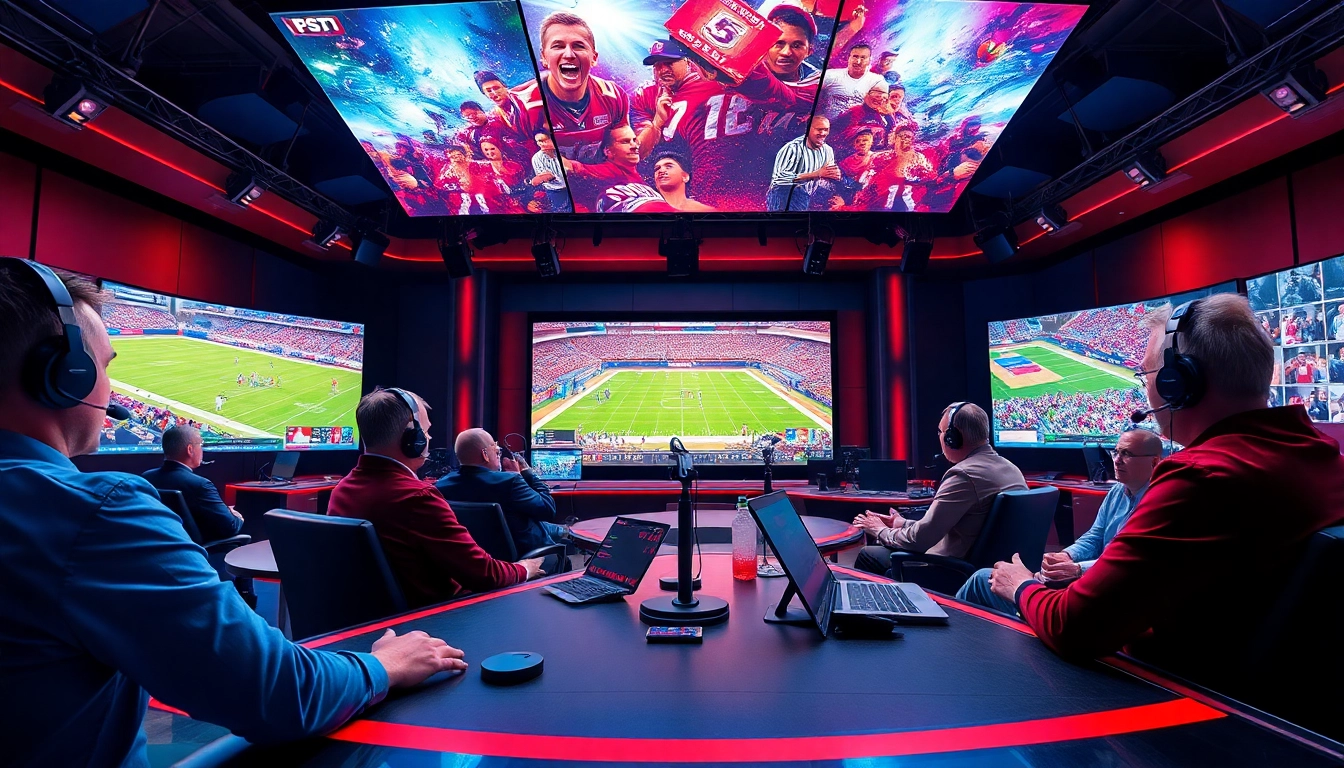
The Fundamentals of Sports Broadcasting
Sports broadcasting is a dynamic field that captivates millions of fans worldwide. From the latest football match updates to exhilarating highlights of Olympic events, the significance of a skilled sports broadcaster cannot be overstated. As this industry evolves, acquiring a strong foundation becomes imperative. Understanding how to effectively relay events, analyze statistics, and engage audiences forms the cornerstone of successful sports broadcasting. For those eager to dive deep into the world of Sports Broadcasting, mastering these fundamentals is the first step toward achieving excellence.
Understanding the Role of a Sports Broadcaster
A sports broadcaster serves as the crucial link between the game and its audience. Beyond merely providing play-by-play commentary, they offer insights into team dynamics, player statistics, and the broader context of the game. Their role encompasses research, analysis, and the ability to storytell, all while maintaining energy and enthusiasm that resonates with viewers. A successful broadcaster not only informs but also entertains, creating an immersive experience for fans and viewers alike.
Essentials of Sports Broadcasting Equipment
In the world of sports broadcasting, utilizing the right equipment is paramount. This includes high-definition cameras, microphones, and broadcasting software to ensure a seamless transmission of live events. Camera angles must be carefully chosen to capture the intensity of the game, while clear audio delivery enhances viewer experience. Furthermore, familiarity with graphics and video editing tools aids broadcasters in providing real-time statistics and pivotal game summaries, enriching the overall presentation.
Types of Sports Broadcasting Channels
Sports broadcasting occurs across various platforms. Traditional cable television remains significant, but digital streaming services have garnered immense popularity among younger audiences. Podcasts and social media channels are also essential in reaching diverse demographics. With each of these formats, broadcasters must adapt their content and delivery to match the viewing habits of their audience, ensuring engagement and retention.
Key Techniques for Effective Sports Commentary
To stand out in the competitive arena of sports broadcasting, applying effective commentary techniques is essential. A broadcaster’s ability to engage audiences hinges upon their preparation, storytelling skills, and adaptability during live broadcasts.
Researching Sports Stories and Stats
Preparation is essential for any sports broadcaster. This includes thorough research on teams, players, and their past performances. Understanding statistics allows broadcasters to offer valuable insights, enhancing the audience's experience. Knowledge of historical context or recent developments can also provide critical analysis, making commentary more compelling. Tools like analytics services and historical databases are invaluable resources in this research process.
Engaging the Audience with Storytelling
Storytelling is a powerful tool in commentary. Broadcasters should weave narratives that connect games to the viewers’ emotions, incorporating anecdotes, rivalries, and player backgrounds. When audiences feel invested in the storyline, whether it's a major underdog triumph or a stunning comeback, their engagement intensifies. Crafting such narratives must be balanced with maintaining accuracy and relevance to the ongoing broadcast.
Utilizing Different Commentary Styles
There are various styles of commentary, including color commentary and play-by-play. Depending on the sport and audience, broadcasters must skillfully switch between these styles to keep the experience dynamic. Understanding when to employ humor, seriousness, or analytical depth can set exceptional broadcasters apart. Effective use of language, tone, and pacing can create memorable commentary that resonates with viewers.
Best Practices in Sports Broadcasting
Practicing best broadcasting strategies enhances credibility and audience trust. Broadcasters must adopt best practices in various aspects of their profession, from branding to reporting.
Building a Personal Brand as a Broadcaster
Branding in sports broadcasting goes beyond just a name; it encompasses a broadcaster's style, persona, and audience connection. Creating a unique brand can involve engaging with fans on social media, participating in broadcasts that align with personal values, and delivering consistent performance. A strong personal brand not only boosts visibility but also fosters trust and loyalty among audiences.
Creating Compelling Visual Content
Visual elements significantly enhance the broadcasting experience. Broadcasters must collaborate with production teams to create graphics, highlights, and transitional content that serves to inform and entertain. Using slow-motion replays, graphics showcasing player statistics, and integrating viewer interactions can create more engaging broadcasts. High-quality visual content is pivotal for retaining viewer attention, especially in a fast-paced sporting environment.
Ensuring Accurate and Fair Reporting
Integrity in reporting is a cornerstone of sports broadcasting. Broadcasters should strive for accuracy in statistics, player information, and event outcomes. Additionally, maintaining impartiality, especially during contentious events, strengthens credibility. Adhering to ethical standards fosters trust with the audience, ensuring they view the broadcaster as a reliable source of information.
Emerging Trends in Sports Broadcasting
The landscape of sports broadcasting is ever-changing, adapting to technological advancements and shifting audience preferences. Keeping abreast of these trends is essential for broadcasters aiming to stay relevant.
The Rise of Digital Streaming Platforms
Digital streaming platforms enable viewers to watch sports events flexibly, without the constraints of a traditional cable package. This shift allows broadcasters to reach a more diverse audience, particularly younger demographics who favor on-demand viewing. Leveraging these platforms, broadcasters can experiment with innovative content delivery, integrating interactive elements that can enhance viewer experiences.
Interactive Broadcasting Innovations
Interactive broadcasting is reshaping how viewers consume sports. Features such as real-time statistics, viewer polls, and multi-angle camera options provide fans with a deeper connection to the game. Broadcasters must harness these technologies, developing formats where viewers feel a part of the action, significantly enriching their overall experience.
Incorporating Social Media in Broadcasting
Social media platforms play a vital role in modern sports broadcasting. Broadcasters can append highlights to social media channels instantly, creating buzz around events and engaging with fans. Integrating live social media feeds during broadcasts can make viewers feel included in the on-air discussion. Additionally, utilizing social media for polls, critiques, and audience interactions constructs a two-way communication avenue that broadens the engaging aspects of sports broadcasting.
Measuring Success in Sports Broadcasting
Evaluating success in sports broadcasting goes beyond viewer numbers. Understanding audience metrics, engagement levels, and feedback loops shapes improvement strategies.
Analyzing Audience Engagement Metrics
Broadcasters should utilize analytics tools to assess viewer engagement. Metrics such as average viewing duration, social media interactions, and viewer polls provide insight into audience preferences. This data can inform future broadcasts, ensuring content resonates with viewers, thereby enhancing overall ratings and reach.
Feedback and Improvement Loops
Incorporating viewer feedback into future broadcasts is essential for continual improvement. Surveys, social media comments, and focus groups allow broadcasters to gain valuable insights on audience expectations and preferences. Using these responses to refine content and presentation can lead to significant enhancements in viewer satisfaction.
Evaluating Broadcast Quality and Content
Broadcast quality is paramount in sports broadcasting. Continuous evaluation of video and audio quality, along with the proficiency of the content itself, ensures that standards remain high. Establishing clear criteria for quality assessments helps broadcasters identify areas needing improvement, ensuring they meet audience expectations and industry standards consistently.
Frequently Asked Questions (FAQs)
What is sports broadcasting?
Sports broadcasting involves the live coverage, analysis, and commentary of sporting events through various media platforms, including TV and online streaming.
What skills are necessary for a sports broadcaster?
Essential skills include strong communication, deep sports knowledge, research abilities, and the capacity to engage audiences through storytelling.
What technology is used in sports broadcasting?
Key technologies include high-definition cameras, microphones, broadcasting software, and graphics tools for real-time statistics and updates.
How do digital platforms impact sports broadcasting?
Digital platforms provide flexibility in viewing, expanded reach to younger audiences, and opportunities for interactive and engaging content delivery.
Why is audience feedback important in sports broadcasting?
Audience feedback helps broadcasters understand viewer preferences and satisfaction, allowing for continual improvement and enhanced engagement in future broadcasts.