







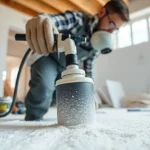



Understanding Hand Removal Spray Foam
What Is Hand Removal Spray Foam?
Hand removal spray foam is a specialized product used for insulation, sealing, and construction applications. Unlike traditional spray foam, which requires professional application equipment, hand removal spray foam is designed to be applied manually. This allows both professionals and DIY enthusiasts to easily apply the material without the need for complex machinery. Its unique formulation ensures that it adheres well to various surfaces while also providing excellent insulation and air sealing properties.
Applications and Benefits
Hand removal spray foam is incredibly versatile and can be used in numerous applications. Some of its common uses include:
– Insulating Walls and Attics: It helps in reducing energy costs by creating an efficient thermal barrier.
– Sealing Gaps and Cracks: Perfect for closing off air leaks around windows, doors, and in basements.
– Soundproofing: It can reduce noise transfer, making it ideal for residential and commercial environments.
– Pipe Insulation: Effective in preventing heat loss from hot water pipes.
The benefits of using hand removal spray foam include ease of application, cost-effectiveness, and its ability to conform to various shapes and sizes. This adaptability ensures comprehensive coverage and creates a tight seal that can last for years. For detailed application techniques and insights, you may explore hand removal spray foam resources.
Common Materials Used
Hand removal spray foam is typically made from a blend of polyurethane and isocyanate, which together create a durable and flexible insulation material. Depending on the specific product, it may also include additives that enhance its performance in specific applications, such as fire resistance or moisture control. Understanding these components helps users select the appropriate spray foam for their unique needs, ensuring optimal performance and longevity.
Preparation for Hand Removal Spray Foam Application
Required Tools and Equipment
Preparing for the application of hand removal spray foam requires a few essential tools and equipment:
1. Foam Applicator: A can or container suitable for manual application.
2. Nozzle: Most kits come with a nozzle for controlled spraying.
3. Safety Gear: This includes gloves, goggles, and a mask to protect against chemical inhalation and skin contact.
4. Surface Preparation Tools: Depending on your surface, tools like scrapers or brushes may be required for cleaning.
Having these tools at hand not only facilitates a smoother application process but also enhances safety and effectiveness.
Surface Preparation Steps
Proper surface preparation is critical to ensure the effectiveness of the hand removal spray foam. Follow these steps:
1. Clean the Surface: Remove dust, dirt, grease, or old insulation material that may interfere with adhesion.
2. Drying: Ensure that the area is dry, as moisture can react unfavorably with the foam, affecting its insulation capabilities.
3. Inspection: Check for any structural concerns that may need repairing before foam application.
4. Masking: Use tape or masking material to cover areas where you do not want the foam to apply. This helps achieve clean lines and prevents excess application.
By meticulously preparing the surface, you enhance the bond between the foam and the surface, resulting in a more effective insulation solution.
Safety Precautions to Consider
Safety should always be a priority when working with hand removal spray foam. Consider these precautions:
– Ventilation: Ensure the application area is well-ventilated to avoid the buildup of harmful fumes.
– Protective Gear: Always wear gloves and goggles to avoid skin contact and eye irritation. A mask is recommended to prevent inhalation of fumes.
– Follow Instructions: Adhere to the manufacturer’s guidelines on application and curing times to avoid hazardous situations.
– Keep Away from Flames: The chemical components can be flammable. Keep away from open flames and heat sources.
Understanding and implementing these safety measures can significantly reduce risks associated with foam application.
Application Techniques for Hand Removal Spray Foam
Step-by-Step Application Process
Applying hand removal spray foam effectively involves several steps:
1. Preparation: Ensure you have all your tools ready and the area is prepared.
2. Shake the Canister: Mix the contents thoroughly by shaking the canister for a minute.
3. Test Spray: Test the foam on a small area to check the consistency and adhesion.
4. Application: Hold the canister upside down and apply the foam evenly. Move slowly to create a consistent layer.
5. Layering: For wider gaps, apply in layers, allowing each layer to cure before adding another.
6. Finishing: Allow the foam to expand and cure fully, usually requiring a few hours. Cut off any excess foam after it has cured.
Following these steps precisely will help ensure that the foam is applied correctly for maximum insulation and sealing capacity.
Best Practices for Optimal Results
To achieve the best results with hand removal spray foam, adhere to these best practices:
– Conditions Matter: Apply in suitable weather conditions, ideally at moderate temperatures and humidity levels.
– Work Gradually: If you’re unsure about coverage, apply the foam in small sections rather than attempting to cover large areas all at once.
– Check Curing Time: Always allow for adequate curing time according to the manufacturer’s specifications before resealing or covering the area.
– Regularly Inspect: After application, routinely inspect the foam for any signs of wear or damage. Prompt addressing of issues can prevent long-term problems.
Implementing these best practices not only enhances performance but also extends the life of the application.
Common Mistakes to Avoid
Several pitfalls can compromise the effectiveness of hand removal spray foam:
– Skipping Surface Prep: Neglecting to prepare the surface can lead to poor adhesion and reduced effectiveness.
– Overapplication: Applying too much foam can lead to unnecessary expansion and mess. Control is key.
– Ignoring Safety Gear: Not using protective gear can expose users to harmful chemicals and irritants.
– Forgetting to Test Spray: Not testing before full application can lead to surprises in texture and adhesion.
Awareness of these common mistakes and how to avoid them ensures a smoother application process and better end results.
Post-Application Care and Maintenance
How to Inspect Your Work
Once the hand removal spray foam has cured, it’s essential to conduct a thorough inspection:
– Look for Gaps: Check for any areas that may have been missed or require additional filling.
– Inspect for Uniformity: Ensure that the foam is evenly applied without major inconsistencies in thickness.
– Feel for Heat Loss: Use a thermal imaging camera if possible to identify any areas of inadequacy that may result in heat loss.
Regular inspections can help maintain the integrity of the insulation and prolong its effectiveness.
Cleaning Up After Application
After you finish applying hand removal spray foam, proper cleanup is necessary:
– Foam Residue: Use a solvent recommended by the manufacturer to clean tools and surfaces that have foam residue.
– Disposal: Follow local regulations for the disposal of any unused foam and packaging materials.
– Storage of Equipment: Store the remaining foam and tools in a cool, dry place, following any specific storage recommendations provided by the manufacturer.
By maintaining a clean workspace, you not only ensure safety but also improve the longevity of your tools and materials.
Long-Term Maintenance Tips
To ensure the lasting effectiveness of your hand removal spray foam application:
– Routine Checks: Implement a schedule for regular checks surrounding the insulated areas to identify any degradation or damage.
– Address Moisture Issues: Be vigilant for signs of water intrusion or leaks. Repair these promptly to prevent damage.
– Maintain Ventilation: Ensure that areas insulated with foam remain well-ventilated to avoid condensation build-up that could lead to mold and mildew.
Ongoing maintenance efforts will significantly enhance the performance and lifespan of your hand removal spray foam application.
FAQs About Hand Removal Spray Foam
What is the lifespan of hand removal spray foam?
The lifespan of hand removal spray foam can vary based on environmental factors, but it typically lasts around 20 to 30 years when properly applied and maintained.
Can hand removal spray foam be used outdoors?
Yes, hand removal spray foam can be used outdoors; however, make sure to choose products that are formulated for outdoor applications to withstand UV exposure.
How long does it take for the foam to cure?
Curing time for hand removal spray foam generally ranges from 1 to 24 hours, depending on specific product instructions and environmental conditions.
Is hand removal spray foam environmentally friendly?
Many formulations now contain eco-friendly components. However, always check for certifications regarding environmental impact to ensure proper usage.
What tools are essential for proper application?
Essential tools include a foam applicator, nozzle, protective gear (gloves, goggles, mask), and surface preparation tools like scrapers or brushes to ensure effective application.


